STUDENT INFORMATION
Experiment 9.1: Sound Wave Visualization
Can we see the effect of sound waves traveling through air?
In this experiment, you'll explore how sound waves travel through air by observing their effects on a candle flame and rice grains.
Materials Needed:
- Plastic wrap
- Scissors
- Tape
- Match
- Plastic 1 liter or 2 liter bottle
- Candle
- Large pot
- Wooden spoon
- Large bowl
- Rice
- Eye protection (goggles or safety glasses)
Part 1: Candle Flame + Sound Waves
Sound waves are moving air pressure changes. When the air pressure near a candle changes rapidly, the flame can flicker.
What to do (real experiment)
- Place a candle on a stable, non-flammable surface and light it.
- Stand the large bottle between you and the candle (this helps block your breath from affecting the flame).
- From the other side of the bottle, clap, talk loudly, or tap the bottle gently and watch the flame.
- Try different distances. Do you see the flicker change?
Safety: Adult supervision required. Keep hair/sleeves away from flame. Never leave a candle unattended.
Part 2: Rice Grains + Vibrations
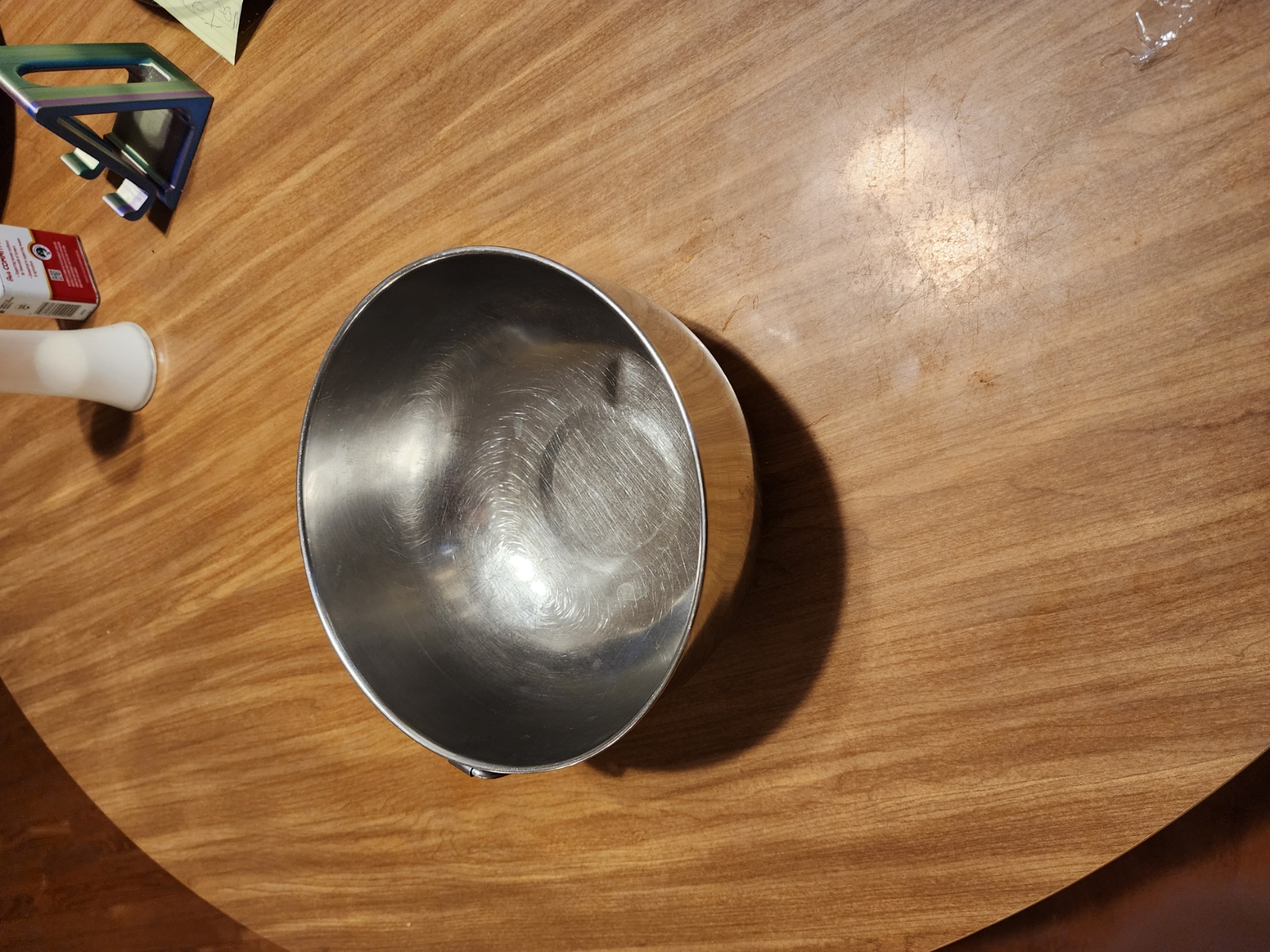
Real Experiment Photos
Here's what the actual experiment setup and process looks like:
Step 1: Empty bowl setup
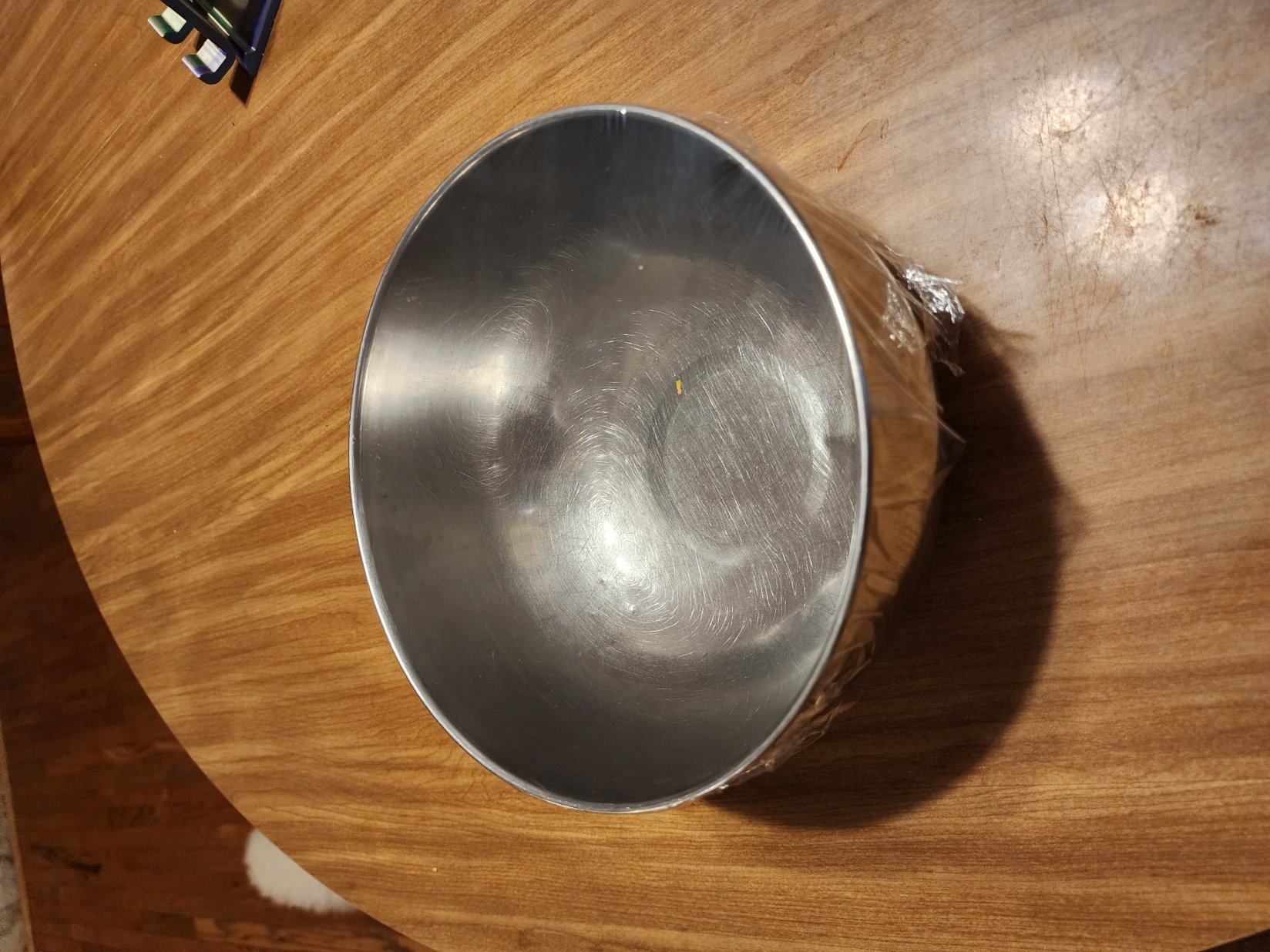
Step 2: Bowl covered with plastic wrap
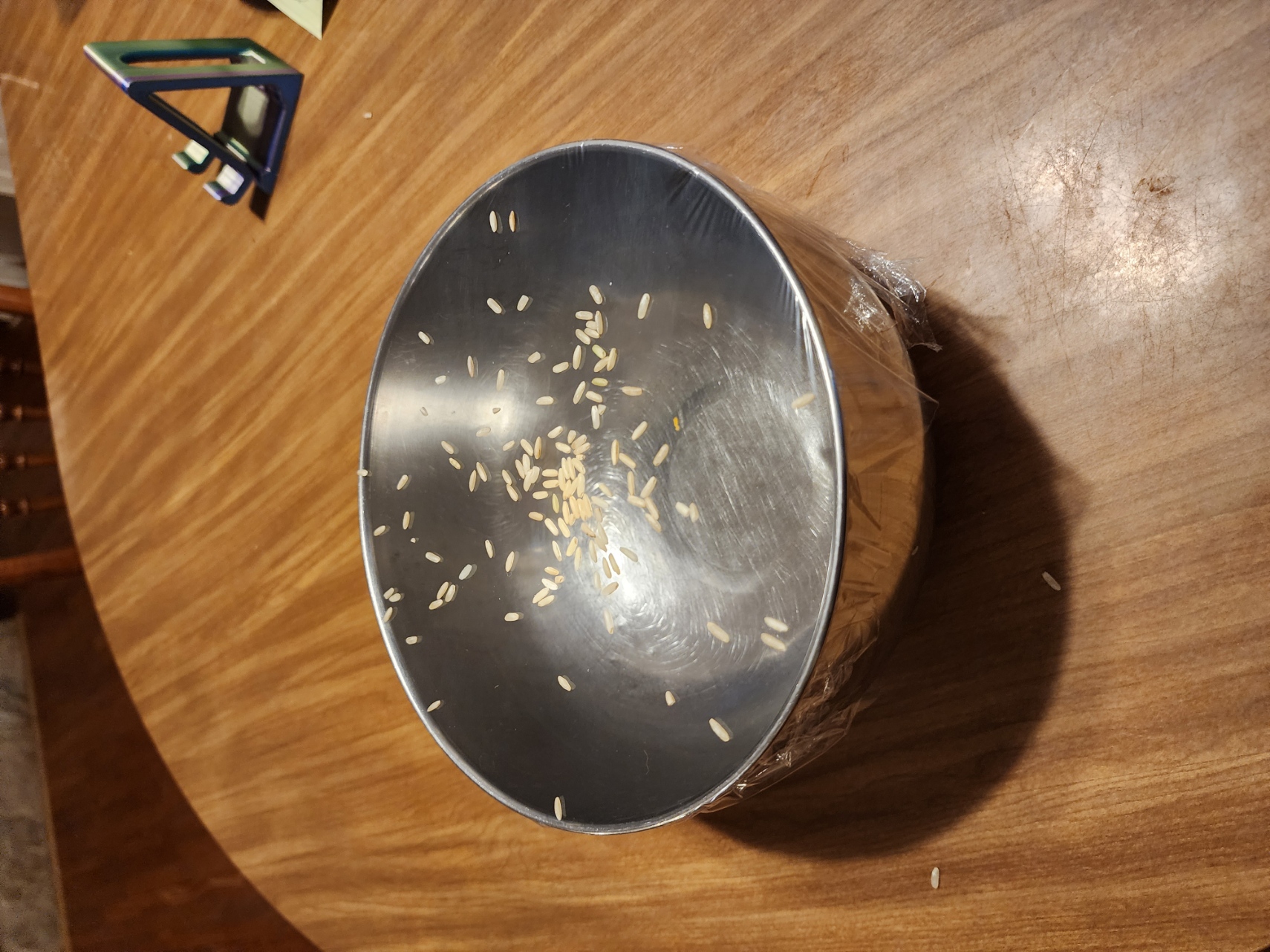
Step 3: Rice grains placed on plastic wrap
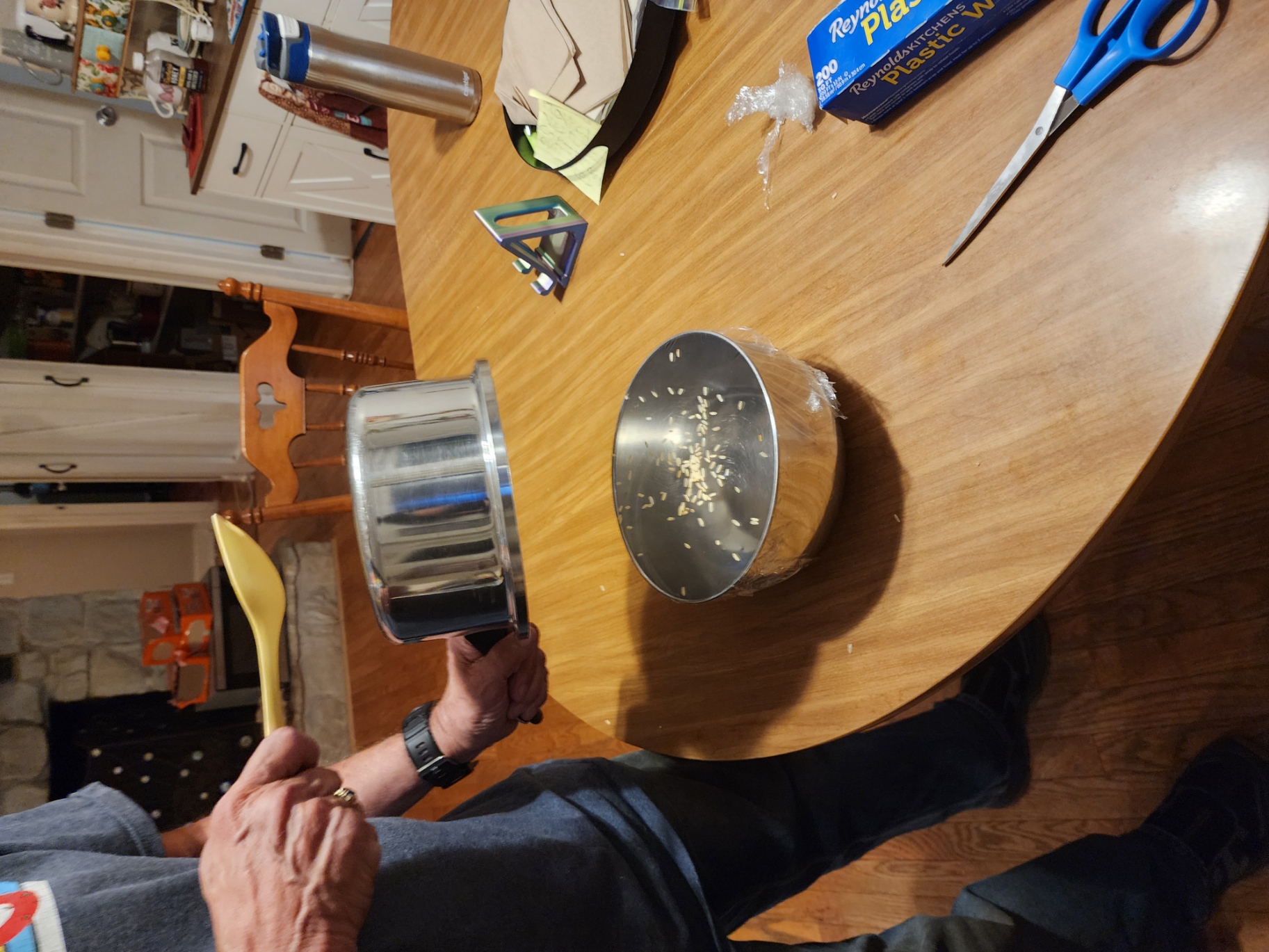
Step 4: Pot positioned above bowl
Watch the Experiment in Action
Video demonstration of rice grains bouncing when the pot is hit